
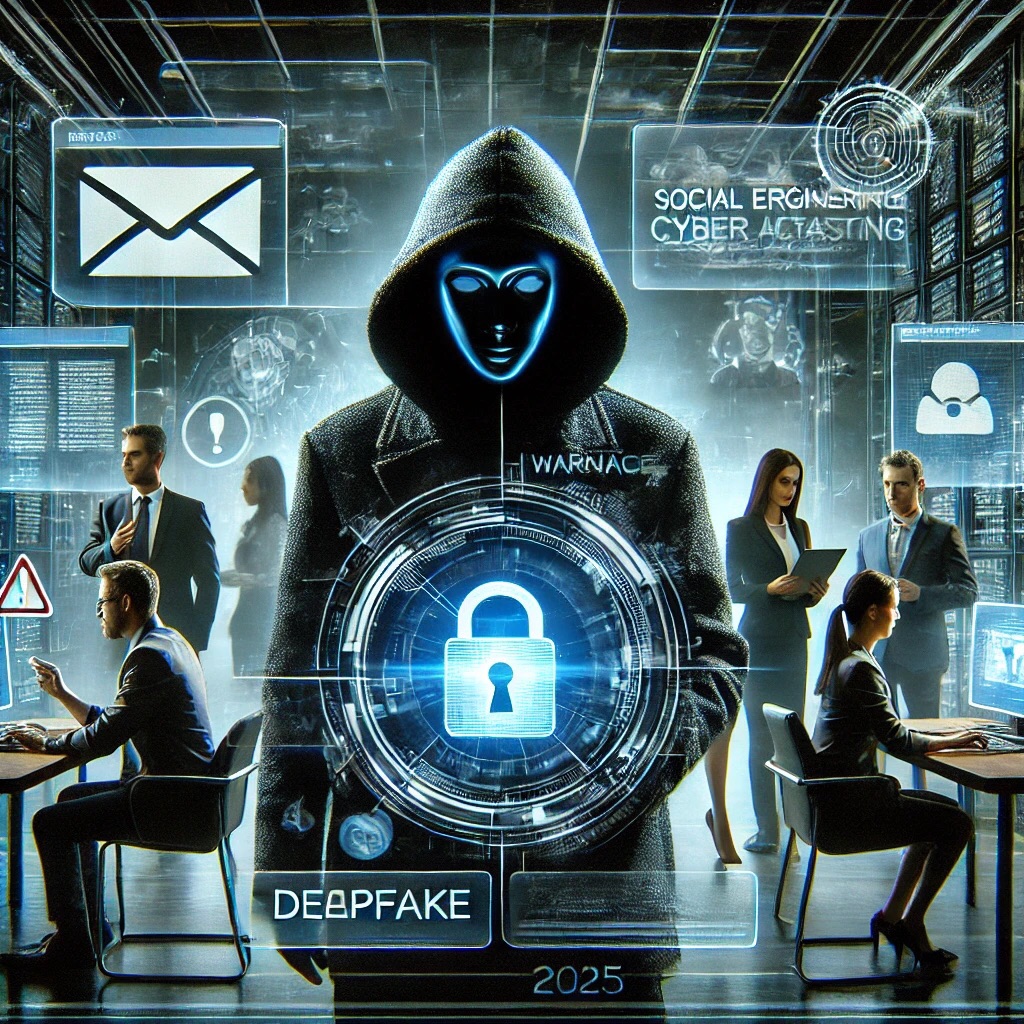
In 2025, attackers are doubling down on one of the oldest and most effective tactics in the book—social engineering. While zero-days and malware strains evolve, the human element remains the most exploitable surface, and threat actors know it. From deepfake-powered voice phishing to AI-crafted spear phishing emails that mimic internal tone and language, social engineering has become dangerously precise and nearly indistinguishable from legitimate communication.
We've seen major breaches where an employee thought they were talking to their CEO or a vendor they regularly engage with, only to be manipulated into sending sensitive files or credentials.
Cyber Protection Academy stresses that defending against these psychological attacks requires more than technical controls—it demands real-time awareness, behavioral training, and role-based simulations. Employees must be equipped to identify unusual requests, even if they come from a known source, and organizations must put controls in place to verify identity beyond just email headers.
In a world where machines mimic humans better than ever, your staff is both the first target and the last line of defense.